DTF Film
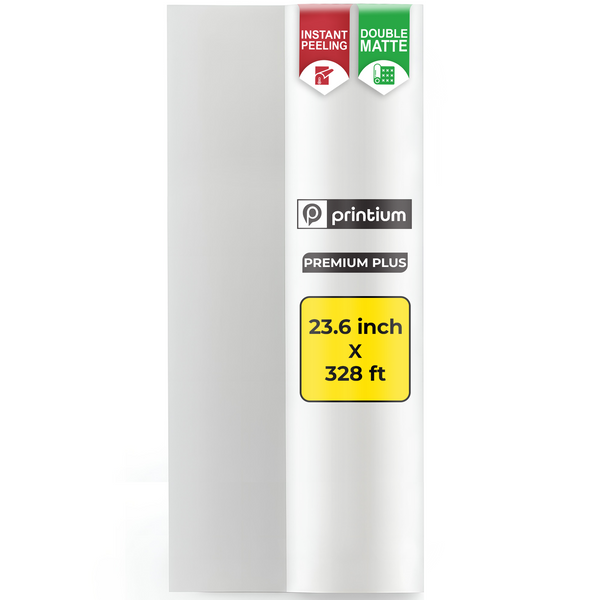
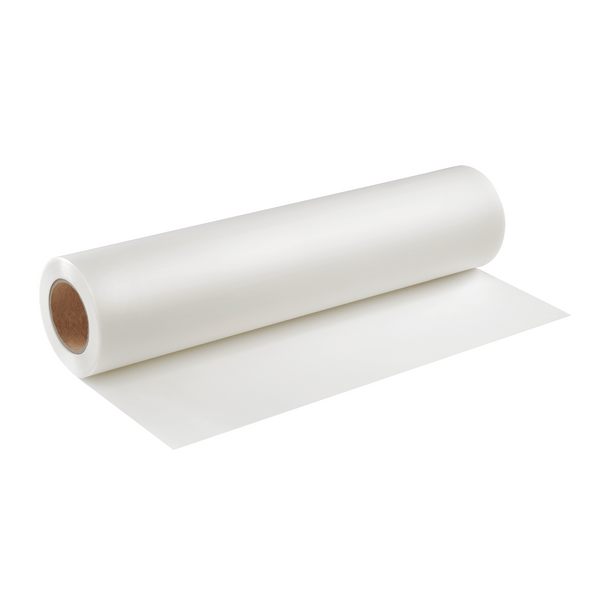
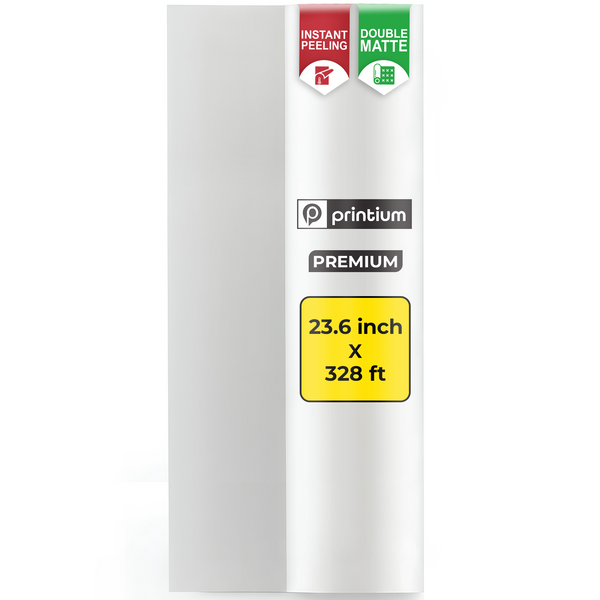
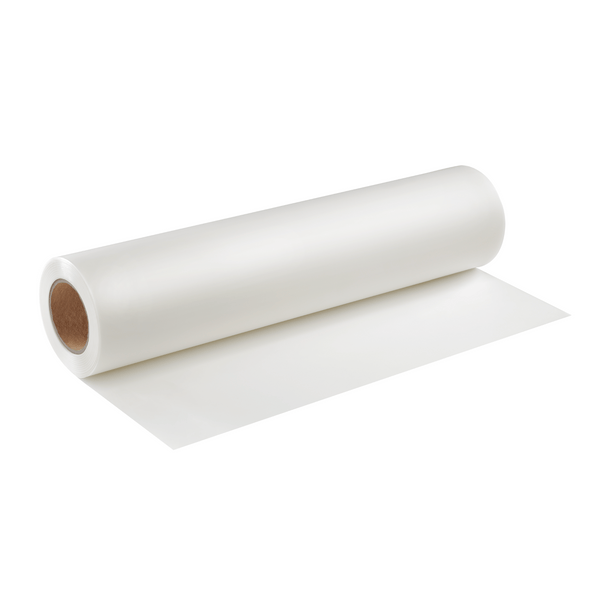
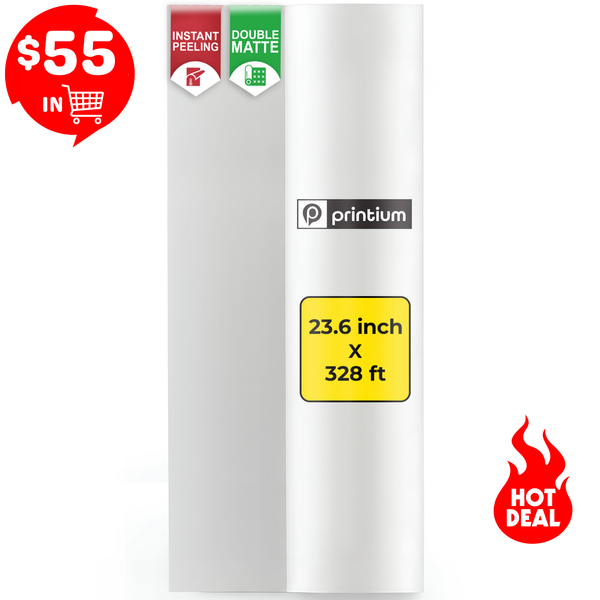
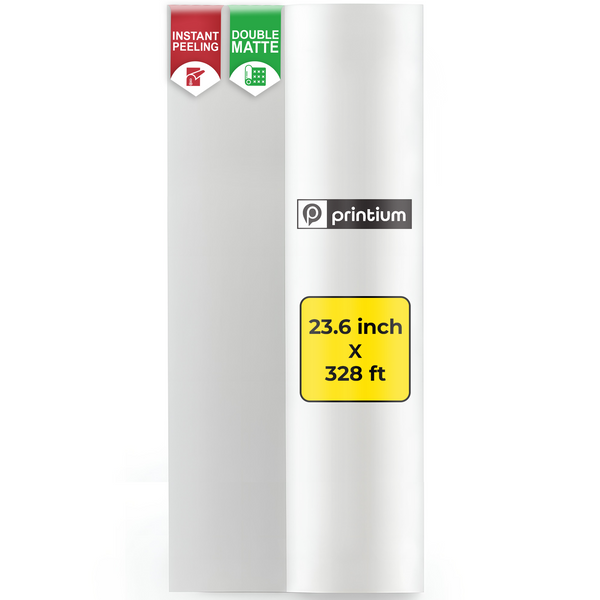
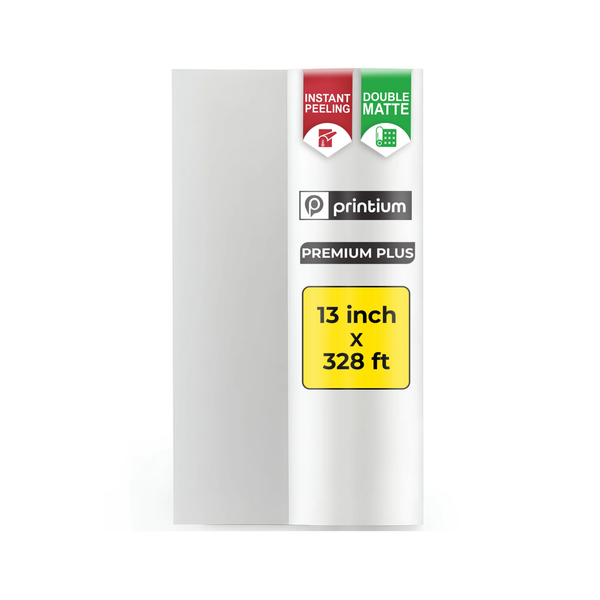
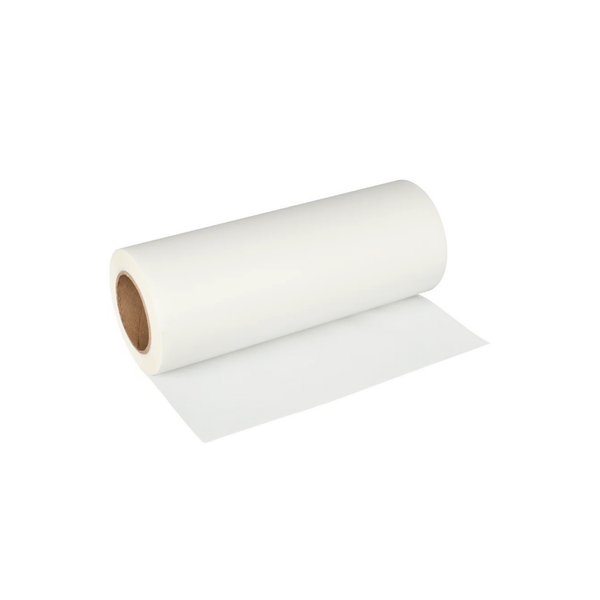
DTF film is the foundation of every high-quality Direct to Film transfer. This specialized PET (polyethylene terephthalate) carrier sheet is designed to hold wet pigment ink and adhesive powder before transferring the design onto fabric. In 2026, DTF film technology has evolved significantly, offering improved ink stability, cleaner peeling, and greater consistency across production runs.
Choosing the right DTF film is not just a technical decision—it directly affects print sharpness, wash durability, surface texture, and overall customer satisfaction. Whether you are running a professional print shop or producing custom apparel on demand, understanding film types and finishes is essential for achieving reliable, premium results.
What Is DTF Film?
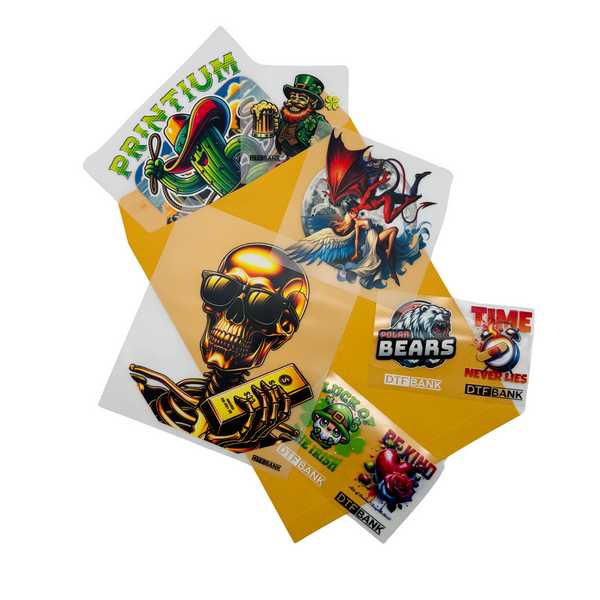
DTF film is a coated PET sheet used in Direct to Film printing. Instead of printing directly onto fabric, the design is printed onto the film, combined with hot melt adhesive powder, and then transferred using a heat press.
This method allows for:
-
Vivid color reproduction with sharp detail
-
Strong adhesion across light and dark fabrics
-
Flexible, durable prints that resist cracking and fading
-
Broad material compatibility, including cotton, polyester, blends, nylon, and more
DTF film serves as the carrier that controls how ink is deposited, how powder bonds, and how cleanly the design transfers to the garment.
To maintain the longevity of your UV DTF printing system and ensure consistently high-quality results, prioritizing equipment maintenance is essential; you can find the professional solutions you need by visiting UV DTF Cleaning Supplies. This collection features specialized cleaning solutions and maintenance kits formulated to prevent clogs in sensitive print heads and safely remove UV ink residue. Regular maintenance not only preserves color consistency but also prevents unexpected technical failures, ensuring your production workflow remains uninterrupted. Utilizing high-quality maintenance products optimizes your printer's performance and guarantees that every transfer you deliver to your customers looks flawless.
Understanding PET DTF Film Technology
Modern DTF film is engineered with advanced multi-layer coatings. One side is treated to hold water-based pigment ink in place without bleeding, ensuring crisp lines and accurate color placement. The opposite side is often matte-treated to improve grip inside the printer and prevent slipping during long print runs.
This balance between ink control and mechanical stability is critical, especially for high-speed or high-resolution printing. Premium films are also designed to reduce static buildup, which helps prevent unwanted powder residue and improves overall transfer cleanliness.
Hot Peel vs. Cold Peel DTF Film
One of the most important decisions when selecting DTF film is choosing the peel type.
Hot Peel Film
Hot peel films allow the carrier sheet to be removed immediately after heat pressing. This significantly speeds up production and is ideal for high-volume workflows. Hot peel films typically deliver a smooth, consistent finish with minimal waiting time.
Cold Peel Film
Cold peel films require the garment to cool before peeling. While slower, they often provide a softer, more matte finish that closely resembles traditional screen printing. Many professional shops use cold peel films for premium apparel lines.
Selecting the right peel type depends on production speed, fabric choice, and desired surface texture.
Matte vs. Glossy DTF Film Finishes
The surface finish of the film determines the final appearance of the transfer.
-
Matte DTF film creates a soft, non-reflective finish that blends naturally into fabric. It is the most popular option for fashion, streetwear, and everyday apparel.
-
Glossy DTF film produces a vibrant, shiny surface that enhances color intensity. This finish is often used for sportswear, promotional items, and novelty designs.
Matching the film finish to your brand’s aesthetic ensures consistency across your product line.
Single-Sided vs. Double-Sided Coating
DTF films are available with different coating configurations:
-
Single-sided films are coated only on the print side and are suitable for basic projects and lower-volume production.
-
Double-sided films feature a matte coating on both sides, improving grip inside the printer and reducing movement during printing.
Double-sided films also help control static electricity, making powder application cleaner and more predictable. For professional use, double-sided coating is generally preferred.
Ink Absorption and Adhesive Compatibility
High-quality DTF film must manage ink absorption without allowing pooling or distortion—especially when printing heavy white underbases. The coating is designed to hold wet ink securely while allowing adhesive powder to stick only where ink is present.
Films with poor static control may cause powder to cling to unwanted areas, leading to visible speckling after pressing. Modern anti-static films minimize this risk, ensuring clean edges and consistent transfers.
For best results, DTF film should be paired with compatible DTF ink, adhesive powder, and heat press settings to maintain precision throughout the process.
Storage, Handling, and Film Durability
To preserve film performance, proper storage is essential. DTF film should be kept in a cool, dry environment away from direct sunlight. Excess humidity can affect the coating and interfere with powder adhesion.
Most professional-grade films are moisture-sealed to protect them during shipping and storage. High-quality rolls are also wound evenly to prevent edge damage and feeding issues. Maintaining film integrity ensures consistent results across every print run.
Specialty DTF Films: Expanding Creative Options
In addition to standard clear PET film, specialty DTF films allow you to differentiate your product offerings:
-
Glitter DTF film for sparkling effects without specialty inks
-
Reflective film for safety apparel and high-visibility designs
-
Glow-in-the-dark film for novelty and creative applications
-
Metallic and satin finishes for premium branding
These specialty films enable higher-margin products and expand creative possibilities for custom apparel and promotional items.
Sustainability and PET Film Recycling
As DTF printing grows, sustainability has become an important consideration. Many modern PET films are now produced with recyclable materials or improved waste-handling options. Some manufacturers support recycling programs for used carrier sheets.
Choosing responsibly manufactured film supports environmentally conscious production and aligns your brand with long-term industry standards.
Why DTF Film Matters
DTF film is more than a carrier—it defines print quality, workflow efficiency, and customer satisfaction. The right film improves ink control, reduces production errors, and delivers consistent, professional-grade results.
By selecting the correct peel type, finish, and coating style, you can optimize your production process and confidently meet the demands of modern custom printing.
Explore our DTF film collection to find the ideal solution for your workflow and take your Direct to Film printing to the next level.
To stay fully connected with the latest trends in custom printing and industrial solutions, follow us across our diverse social media platforms. You can find visual inspiration and creative project ideas on our Pinterest board or engage with our professional network and industry updates on LinkedIn. For daily behind-the-scenes content and community highlights, join us on Instagram and Facebook. If you enjoy fast-paced tips and creative clips, follow our TikTok profile, and for comprehensive technical tutorials and in-depth product guides, be sure to subscribe to our YouTube channel. Join our global community today to elevate your branding journey with expert insights.